
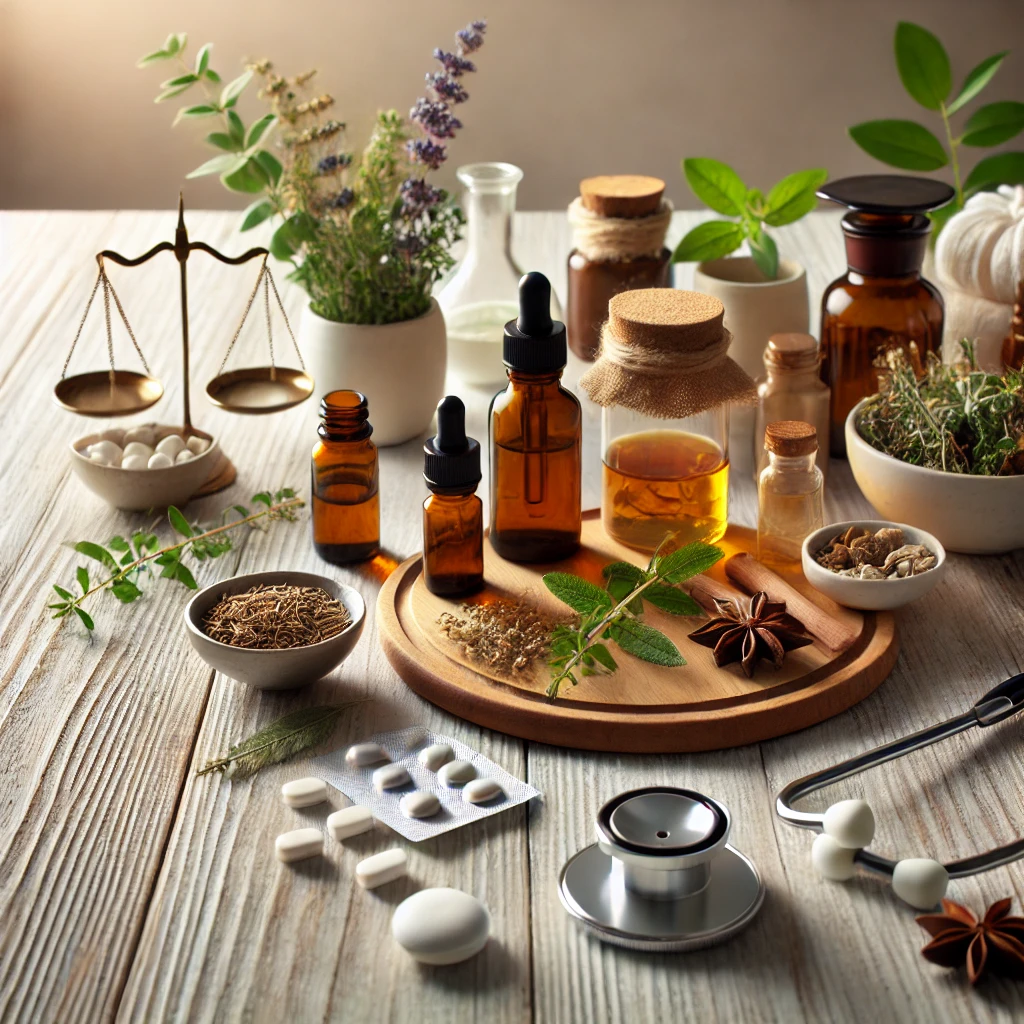
At Three Leaf Clover, our approach to wellness has always been rooted in nature and the idea that the body, mind, and spirit are deeply connected. This is the essence of holistic healthcare—a focus on treating the whole person, not just the symptoms. But what does that really mean, and how does it compare to allopathic healthcare, the type of care most of us are familiar with?
In this post, I want to break down the key differences between holistic and allopathic care, and why we believe in finding a balance that supports your long-term health.
Allopathic Healthcare: The Quick Fix
Allopathic healthcare is what most people think of as “modern medicine.” It’s what you experience when you visit a doctor’s office, get prescribed medications, or undergo surgeries. Allopathic care focuses on treating symptoms directly—if you have a headache, you take a pain reliever; if you have an infection, you take antibiotics. These treatments are often effective and necessary, especially in emergencies or acute conditions.
But the downside to allopathic care is that it often treats the symptom rather than the underlying cause. Many people end up relying on medications that only offer temporary relief, without addressing the root of the problem. It’s like putting a Band-Aid on a wound without healing the deeper issue.
Holistic Healthcare: Healing the Whole Person
Holistic healthcare takes a different approach. Rather than focusing on symptoms alone, it looks at the bigger picture—your lifestyle, your emotions, your environment, and how they all interact with your physical health. Holistic care uses natural remedies like herbs, nutrition, mindfulness, and even movement to address the root causes of imbalances in the body.
For example, if someone is experiencing chronic stress and anxiety, a holistic approach wouldn’t just focus on reducing the symptoms. Instead, it would ask deeper questions: What’s causing the stress? How is it affecting your sleep, digestion, and emotional health? From there, we might recommend herbal teas, essential oils, changes in diet, or mindfulness practices to help bring balance to the whole person.
What’s important here is that holistic healthcare isn’t just about avoiding medications—it’s about looking at all aspects of a person’s life and finding natural ways to restore harmony.
The Benefits of Holistic Care
One of the biggest advantages of holistic care is that it empowers you to take control of your health. Instead of just treating the symptom, you’re encouraged to make lifestyle changes that can lead to lasting improvements. This could mean learning how to manage stress, changing your eating habits, or using natural remedies like herbal teas and essential oils to support your body’s healing processes.
Holistic healthcare also tends to be more preventative. Rather than waiting until something goes wrong, the goal is to keep the body in balance so that illness or discomfort is less likely to occur. It’s a more personalized approach that recognizes that everyone’s body and needs are different.
Can Holistic and Allopathic Care Work Together?
The short answer is: absolutely. There’s no need to choose one over the other. In fact, the best approach is often a combination of both. Allopathic care is incredibly valuable in situations that require immediate, targeted treatment—whether that’s for an acute infection, a broken bone, or a medical emergency. But holistic care can play an essential role in supporting your long-term health and helping prevent future issues.
For example, while antibiotics may be necessary to treat an infection, incorporating probiotics and herbs into your routine can help support your gut health and boost your immune system after treatment. Similarly, while medication might help with sleep in the short term, incorporating calming teas and mindfulness practices can offer a natural, long-term solution.
Finding the Right Balance for You
At Three Leaf Clover, we’re passionate about helping you reconnect with nature’s healing powers and take a holistic approach to your health. But we also recognize the value of modern medicine. The key is finding the right balance—using allopathic care when necessary, but also exploring natural remedies that support your body’s innate ability to heal.
If you’re interested in learning more about how holistic healthcare can fit into your life, we’d love to help guide you on that journey. Whether through our herbal teas, essential oil blends, or personalized consultations, we’re here to help you feel empowered in your health and wellness.